
From Soviet Cubes to European Standards: How an Art Stool Affects Painting Quality and Health
By Mount Hill - 04/07/2026 - 0 comments
In art schools and studios across the region, the same familiar scene has been repeating for generations: students spend hours sitting on rough wooden cubes cobbled together from plywood, traditionally referred to as "tumbos" or boxes. This is not just a matter of visual aesthetics or taste — it is a serious anatomical mistake that directly affects both the student's health and the quality of their artwork. Let’s explore in detail why the old wooden cube is a bad idea and what a true, professional art stool should actually look like. 🛑 The Great Confusion: What is an Art "Cube" Anyway? Before diving into ergonomics, let's clarify the terminology. The object commonly used as a seat in art classes is actually a rectangular pedestal intended for still life setups and sculpture modeling. Its true purpose is to hold drapery, vases, or plaster casts for the artist to paint or draw. This box was never engineered for human seating. Using it as a stool is merely the result of tight budgets and old Soviet-era inertia.
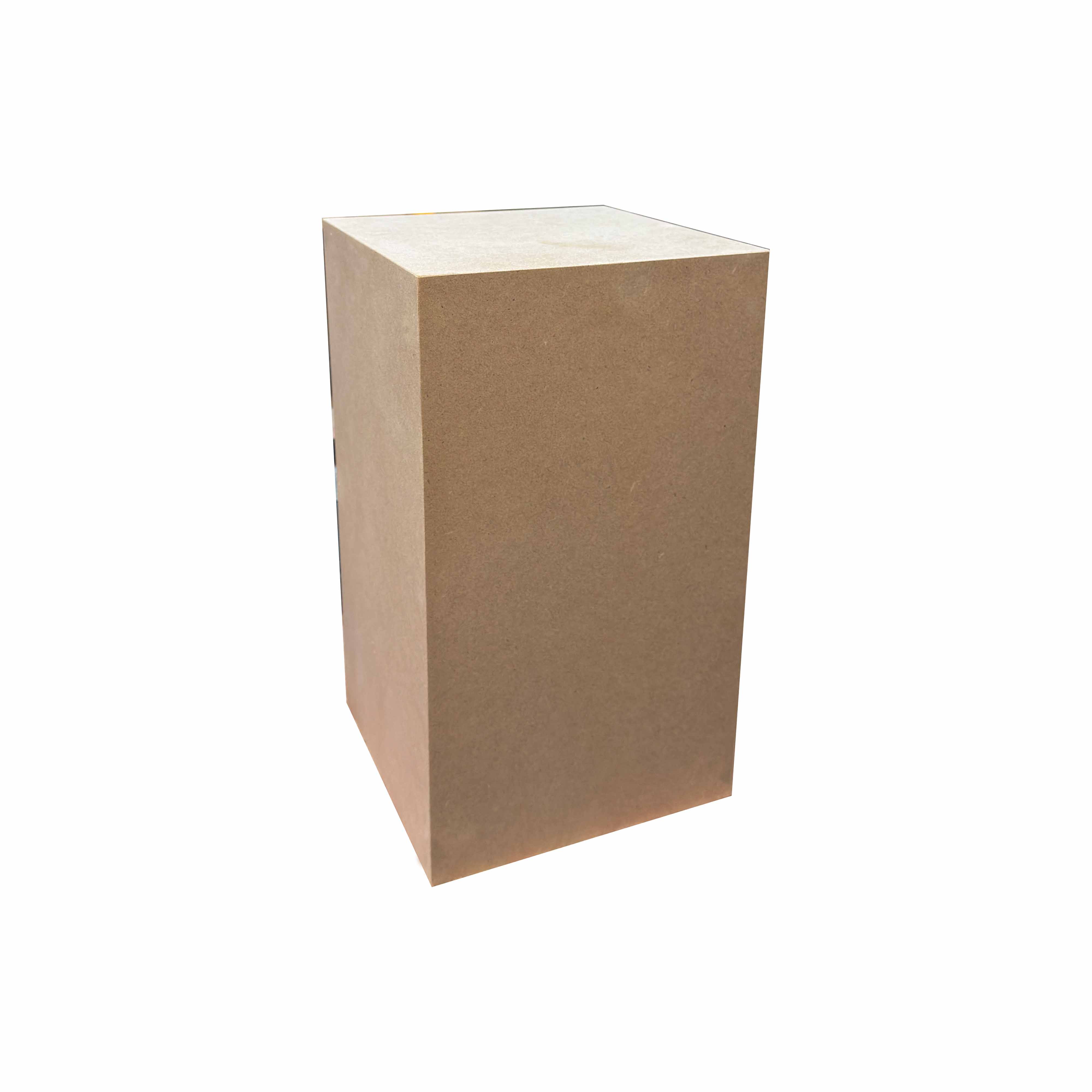
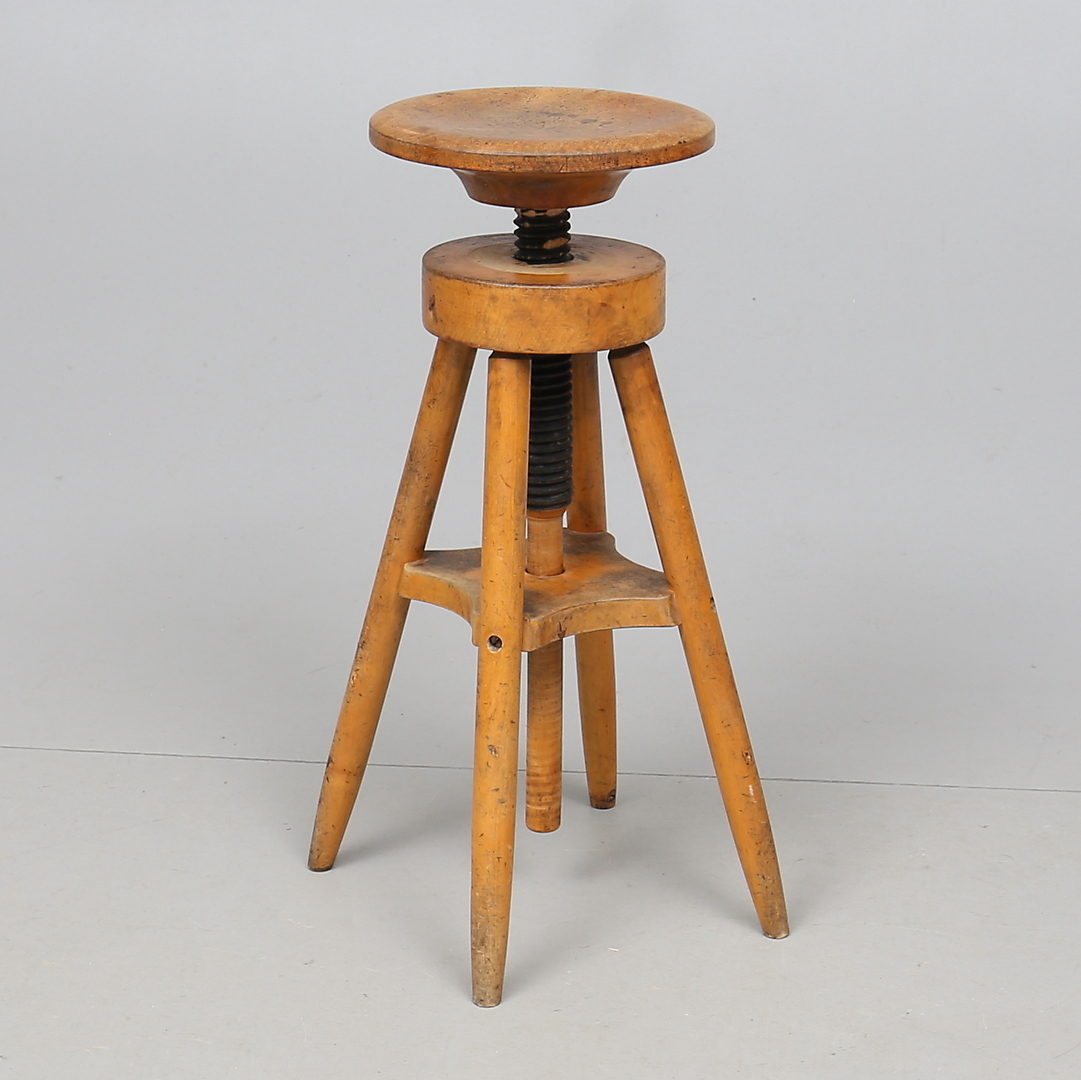
📉 Why a Wooden Cube Harms an Artist's Anatomy The process of painting or drawing often requires 3 to 5 hours of continuous sitting. Using improper furniture during this time inflicts severe long-term damage on the body: 1. Fixed Height and Wrong Angles A wooden cube has one static height, meaning it can never properly accommodate a 155 cm student and a 195 cm student at the same time. European educational furniture standards strictly require adjustable heights for this very reason. When height is fixed, the student is forced to either slouch excessively or leave their feet dangling, destroying the healthy 90-degree angle of the knees. 2. Lack of a Swivel Mechanism Painting is a dynamic process. An artist constantly shifts their gaze — looking closely at the canvas, leaning back to evaluate from a distance, or turning toward the live model. A swivel stool allows these movements smoothly without straining the body. Sitting on a fixed cube forces the student to constantly twist their spine, creating harmful, uneven pressure on the vertebrae. 3. Sharp Edges and Numb Legs The sharp, 90-degree edges of plywood boxes concentrate the entire body weight onto a narrow strip beneath the thighs. This compresses the popliteal arteries under the knees, causing rapid numbness in the legs and restricting healthy blood circulation. ✅ What Should a Real Art Stool Be Like? (The Mount Hill Standard) Modern European studio furniture (following the EN 1729 standard for educational furniture) is built on completely different principles. These are the exact criteria used to design Mount Hill products: Natural Solid Beechwood: Unlike plywood or upholstery, solid beech is incredibly durable, sustainable, and timeless. Its front edge is heavily profiled and rounded (Waterfall Edge) to keep blood circulating freely during long sessions. Mechanical Steel Screw-Lift: Height adjustment (ranging from 48 to 72 cm) is achieved by simply rotating the seat. Unlike standard office hydraulic gas lifts, a heavy-duty steel screw thrives in dusty, paint-heavy studio environments and is technically indestructible. Ergonomic Low Backrest: Artists don't need massive office chairs because they frequently lean forward to paint. However, a compact, contoured backrest is essential to support the lumbar spine when they lean back to step away and evaluate their work. Built-in Footrest: When the stool is raised high for working at a tall easel, a solid wooden frame built into the base at 22 cm from the floor ensures the artist's feet are never left dangling. Chemical Resistance: The wood surface is sealed with a specialized matte polyurethane (PU) varnish. This protects the natural beech texture from oil paints, acrylics, and solvents — allowing any stains to be wiped away effortlessly with a damp cloth. 📌 Conclusion The anatomical damage caused by incorrect furniture accumulates slowly and silently over time. Years later, it manifests as chronic back pain, scoliosis, or premature fatigue, ultimately hindering the creative process itself. It is time for creative institutions to choose studio furniture based on functional comfort, health, and international standards, rather than blind economy. Let's leave the wooden cubes for the still lifes, and give artists an instrument that protects their bodies. Mount Hill • Care for your body while you create art.
Tags: art stool, artist chair, ergonomics, studio furniture, Mount Hill, easel, painting, art school furniture
Comments
Write a comment